Admissions open for 2026–2027. Up to ₹10,000 off for early admissions. Limited seats available
How to Encourage Reading Habits from Infancy: A Parent’s Guide to Raising Lifelong Readers
Encouraging reading habits from infancy is one of the most valuable gifts parents can give their children. Early exposure to books and language plays a crucial role in brain development, emotional bonding, and future academic success. While many parents believe reading begins when a child starts recognizing letters or words, research and early childhood education experts agree that the foundation for reading is laid much earlier, right from infancy.
1/12/20262 min read

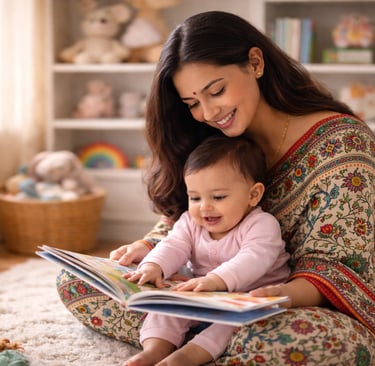
From the first few months of life, babies are constantly learning through sounds, patterns, and human interaction. When parents talk, sing, or read aloud to their infants, they are actively shaping neural connections related to language and comprehension. Reading to babies may not look like traditional reading, but these early experiences significantly influence a child’s listening skills, vocabulary development, and attention span later in life.
One of the most important aspects of developing early reading habits is understanding that reading is not about teaching babies to read words. It is about creating positive associations with language and books. When reading is linked with warmth, comfort, and connection, such as during bedtime routines or quiet cuddle moments, children begin to see books as a source of joy rather than instruction. This emotional connection is what ultimately drives a lifelong love for reading.
In infancy, the tone and rhythm of a parent’s voice matter more than the content itself. Babies respond instinctively to variation in pitch, repetition, and expression. Reading aloud introduces infants to the natural flow of language, helping them recognize speech patterns long before they can understand meaning. This early exposure supports language acquisition and improves listening comprehension, both of which are essential building blocks for future literacy.
Consistency plays a vital role in encouraging reading habits from an early age. Short, daily reading sessions are far more effective than infrequent, longer ones. When reading becomes part of a predictable daily routine, infants begin to anticipate and enjoy these moments. Over time, this repetition helps children associate books with comfort and security, making them more receptive to reading as they grow.
As babies transition into toddlerhood, their interaction with books becomes more active. They may point to pictures, turn pages, or repeat familiar words. This stage is critical for vocabulary growth and expressive language development. Re-reading the same books multiple times, which many parents find repetitive, is actually highly beneficial. Familiar stories help children recognize patterns, improve memory, and build confidence in understanding language.
Another key factor in developing early reading habits is language exposure at home. Reading aloud naturally introduces children to a richer and more varied vocabulary than everyday conversation. Even bilingual or multilingual reading environments are beneficial, as they enhance cognitive flexibility and language awareness. Parents do not need to worry about perfect pronunciation or grammar; what matters most is meaningful interaction and engagement.
Modeling reading behavior also has a strong influence on children. When infants and toddlers see adults reading regularly, whether books, newspapers, or digital content, they internalize reading as a normal and valuable activity. A home environment where books are visible and easily accessible reinforces the idea that reading is part of everyday life, not something reserved only for school.
It is important for parents to remember that every child develops at their own pace. Some children show early interest in books, while others may prefer storytelling, music, or conversation. Encouraging reading habits does not mean forcing a child to sit still or complete a book. Gentle exposure, patience, and responsiveness to a child’s interests are far more effective in nurturing a genuine love for reading.
Encouraging reading habits from infancy is ultimately about building a strong foundation for language, learning, and emotional connection. These early experiences shape how children perceive books, learning, and communication throughout their lives. When reading is introduced with warmth, consistency, and joy, it becomes a natural part of a child’s world, setting the stage for confident readers, curious thinkers, and lifelong learners.
Kalpanasha Education LLP
Outer Ring Rd, adjacent to Reliance Smart Bazaar, behind Hanuman Temple, Vijaya Bank Colony, Dodda Banaswadi, Bengaluru, Karnataka 560043
Programs
hello@inupinupreschool.com
82969 06303
© 2026. All rights reserved.

Reach Out to us at
Mon-Fri: 9:00 a.m. to 07:00 PM
Sat: 10:00 a.m. to 03:00 PM
Others